
The Seven Frequency Zones of a Professional Mix:
A Framework for Understanding the Audible Spectrum in Modern Audio Engineering
Abstract
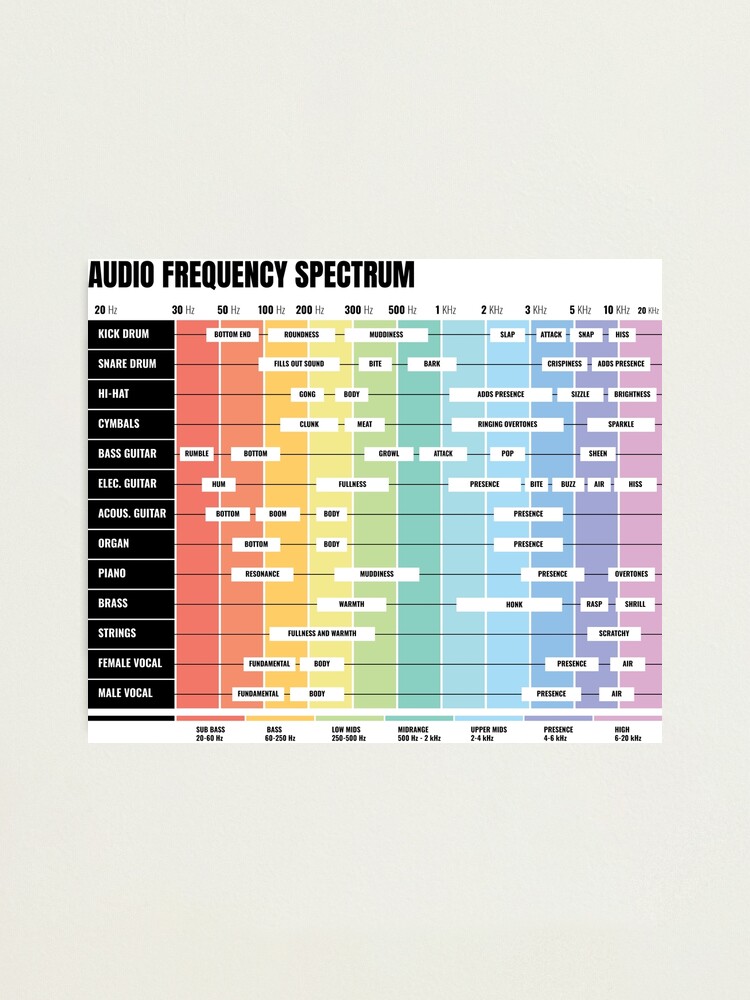
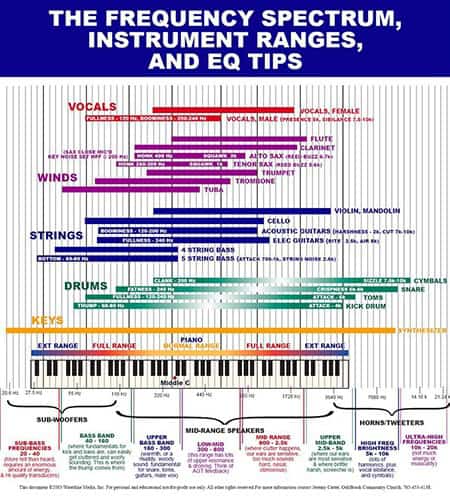
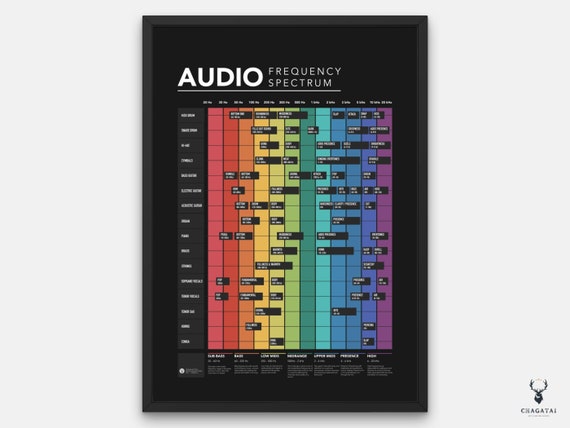
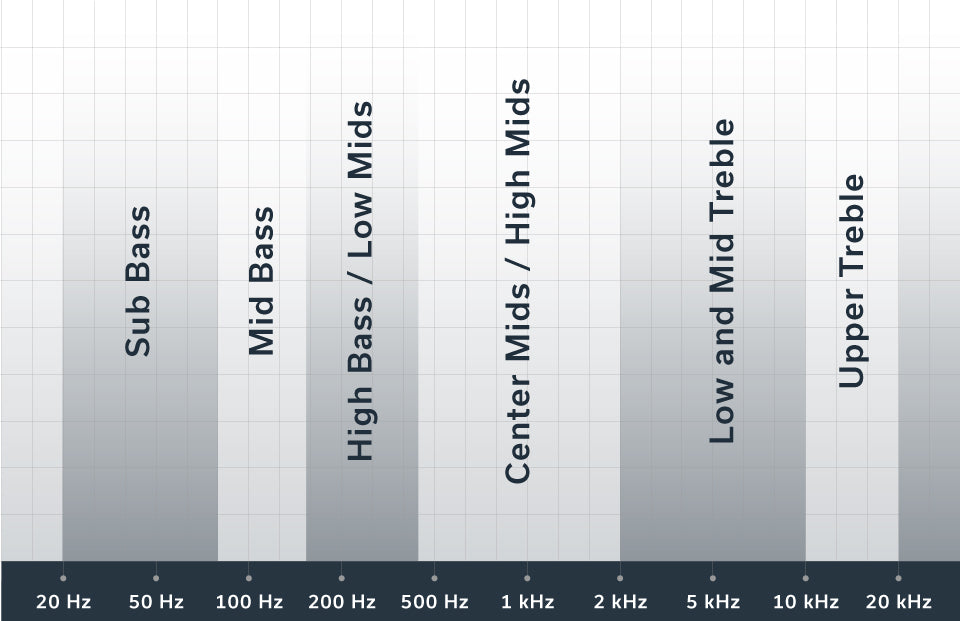
The frequency spectrum between 20 Hz and 20 kHz defines the range of sound perceivable by the average human auditory system. In modern audio engineering and music production, this spectrum is commonly divided into seven functional frequency zones to facilitate mixing, equalization, and mastering decisions. These zones allow engineers to identify where musical elements reside, diagnose sonic conflicts, and apply corrective or creative equalization techniques. This paper examines the acoustic, psychoacoustic, and practical mixing implications of the seven frequency regions—sub-bass, bass, low-midrange, midrange, upper midrange, presence, and air—and explains their role in professional music production workflows.
1. Introduction
Sound is a mechanical vibration transmitted through a medium such as air, characterized by parameters including frequency, amplitude, wavelength, and phase. Frequency, measured in Hertz (Hz), determines the perceived pitch of a sound (Everest & Pohlmann, 2015).
The human auditory system typically perceives frequencies ranging from 20 Hz to approximately 20,000 Hz, although sensitivity varies across this spectrum (Moore, 2012). In practical audio engineering, this range is divided into zones that correspond to perceptual and musical characteristics.
Professional mixing engineers frequently rely on these zones when shaping tonal balance, solving masking issues, and designing sonic space within a mix (Izhaki, 2018).
Dividing the spectrum into functional regions allows engineers to answer critical questions during production:
- Where do instruments occupy the spectrum?
- Where are frequency conflicts occurring?
- Which areas require equalization or dynamic control?
Understanding these zones is therefore fundamental to mix clarity, balance, and translation across playback systems.
2. Sub-Bass Region (20–60 Hz)
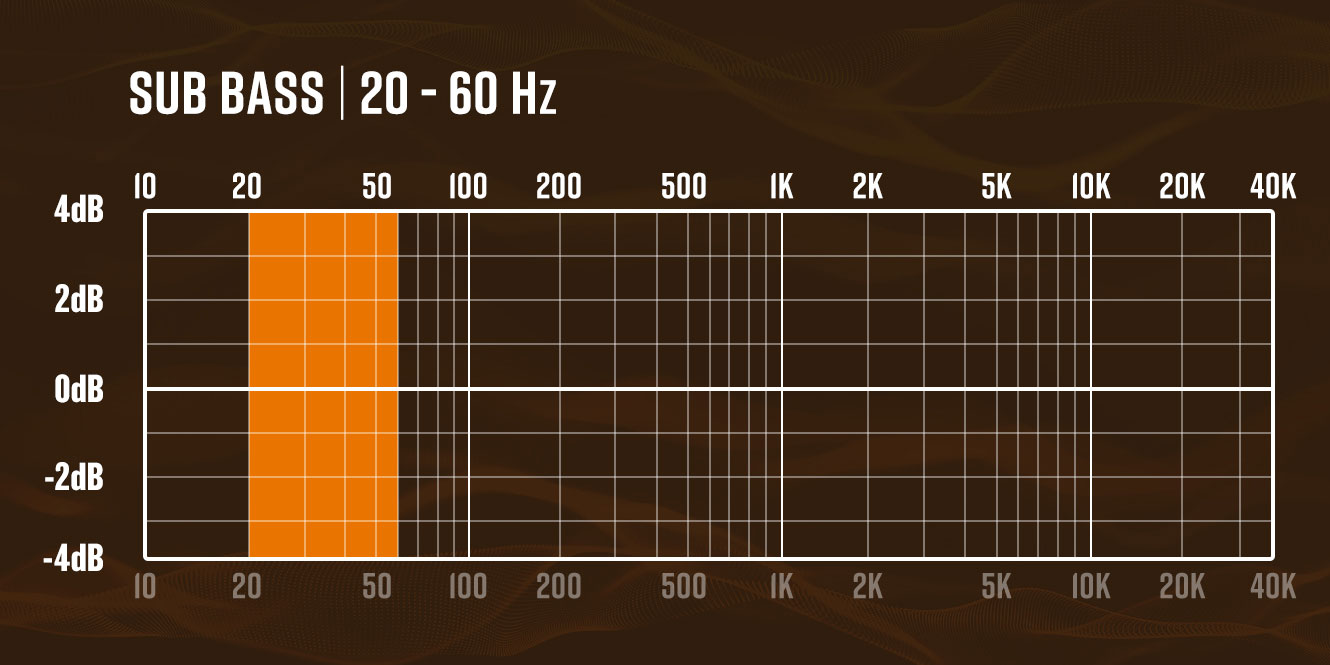

The sub-bass region represents the lowest portion of the audible spectrum and is primarily perceived physically rather than acoustically. These frequencies possess extremely long wavelengths, often exceeding several meters.
For example, a 30 Hz wave has a wavelength of approximately 11 meters, which explains why low frequencies interact strongly with room acoustics (Everest & Pohlmann, 2015).
Typical sound sources include:
- sub-bass synthesizers
- electronic 808 bass
- kick drum fundamentals
- pipe organ pedals
Although sub-bass frequencies provide power and impact, excessive energy in this region can cause several problems:
- reduced headroom
- speaker overload
- poor translation on small playback systems
Consequently, engineers frequently apply high-pass filtering to instruments that do not require low-frequency energy, thereby preserving clarity and dynamic range (Senior, 2011).
3. Bass Region (60–250 Hz)
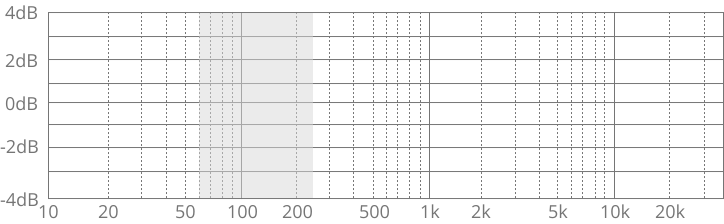
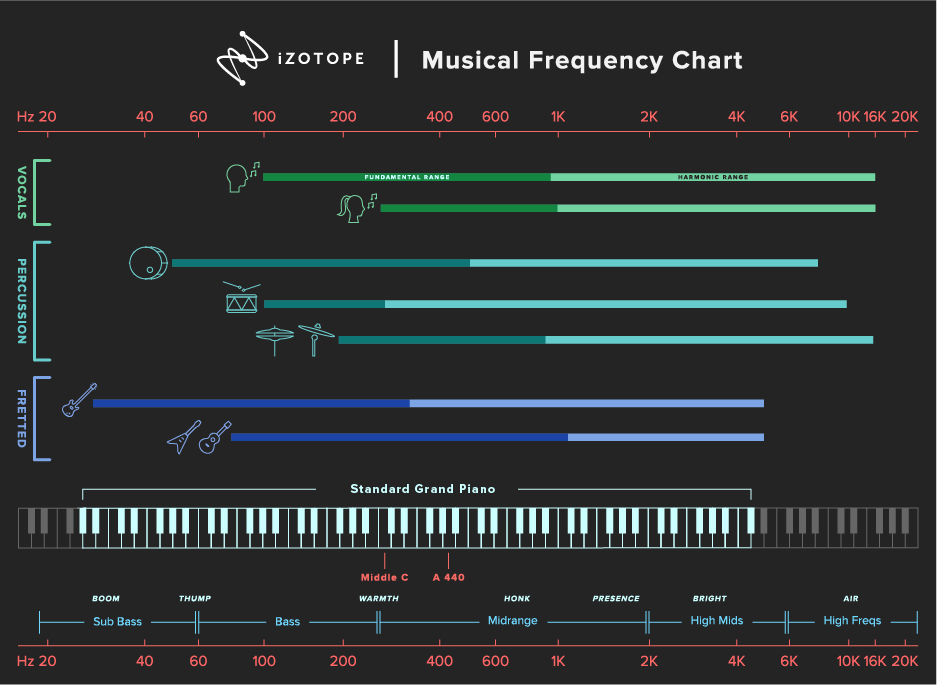
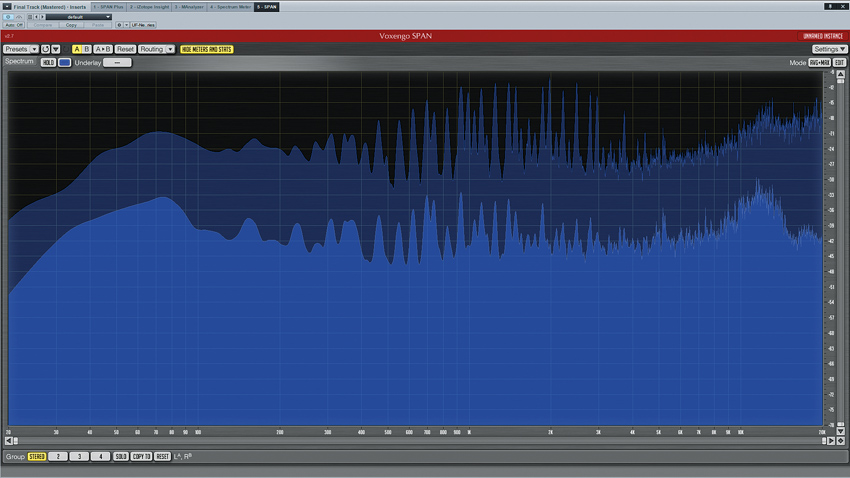
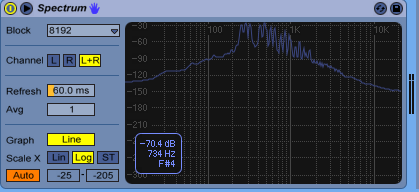
The bass region contributes the warmth, weight, and groove of a musical mix. It is critical in rhythm-driven genres such as Kompa, Zouk, hip-hop, and electronic music, where the interaction between kick drum and bassline defines the rhythmic foundation.
Common instruments occupying this range include:
- bass guitar
- kick drum body
- floor toms
- lower piano registers
A common mixing challenge occurs when kick drum and bass instruments compete within overlapping frequency ranges. For instance:
- kick drum fundamental: 60–90 Hz
- bass guitar fundamental: 80–120 Hz
To address this conflict, engineers employ techniques such as:
- frequency slotting through EQ
- sidechain compression
- harmonic enhancement
These strategies reduce frequency masking, a psychoacoustic phenomenon in which stronger sounds obscure weaker ones in nearby frequency bands (Moore, 2012).
4. Low-Midrange Region (250–500 Hz)
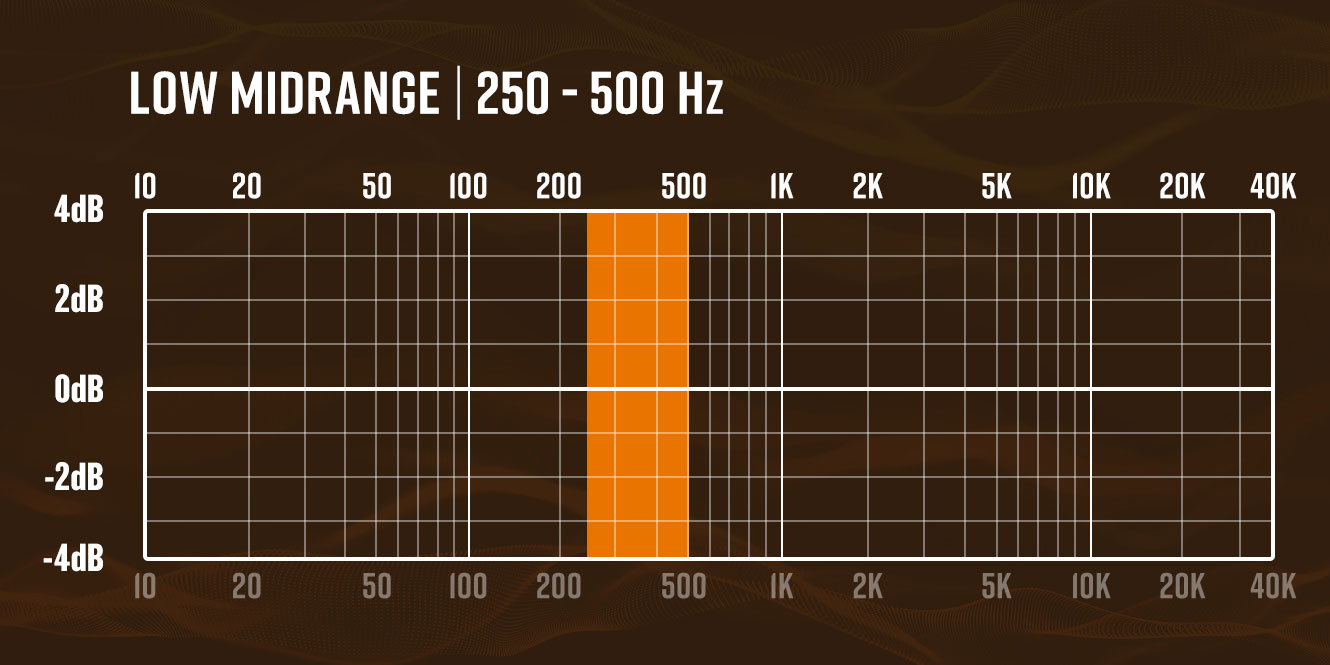
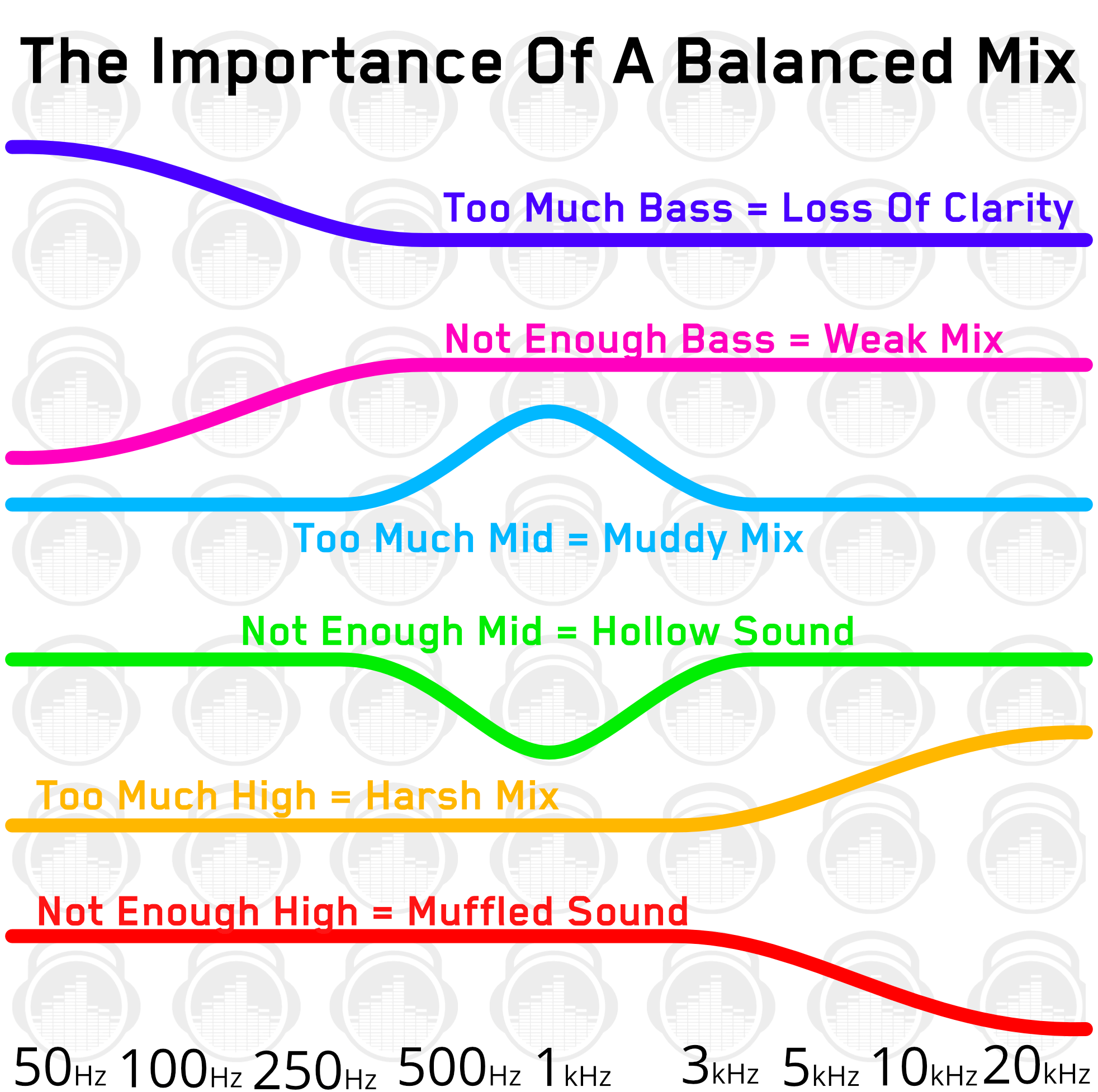
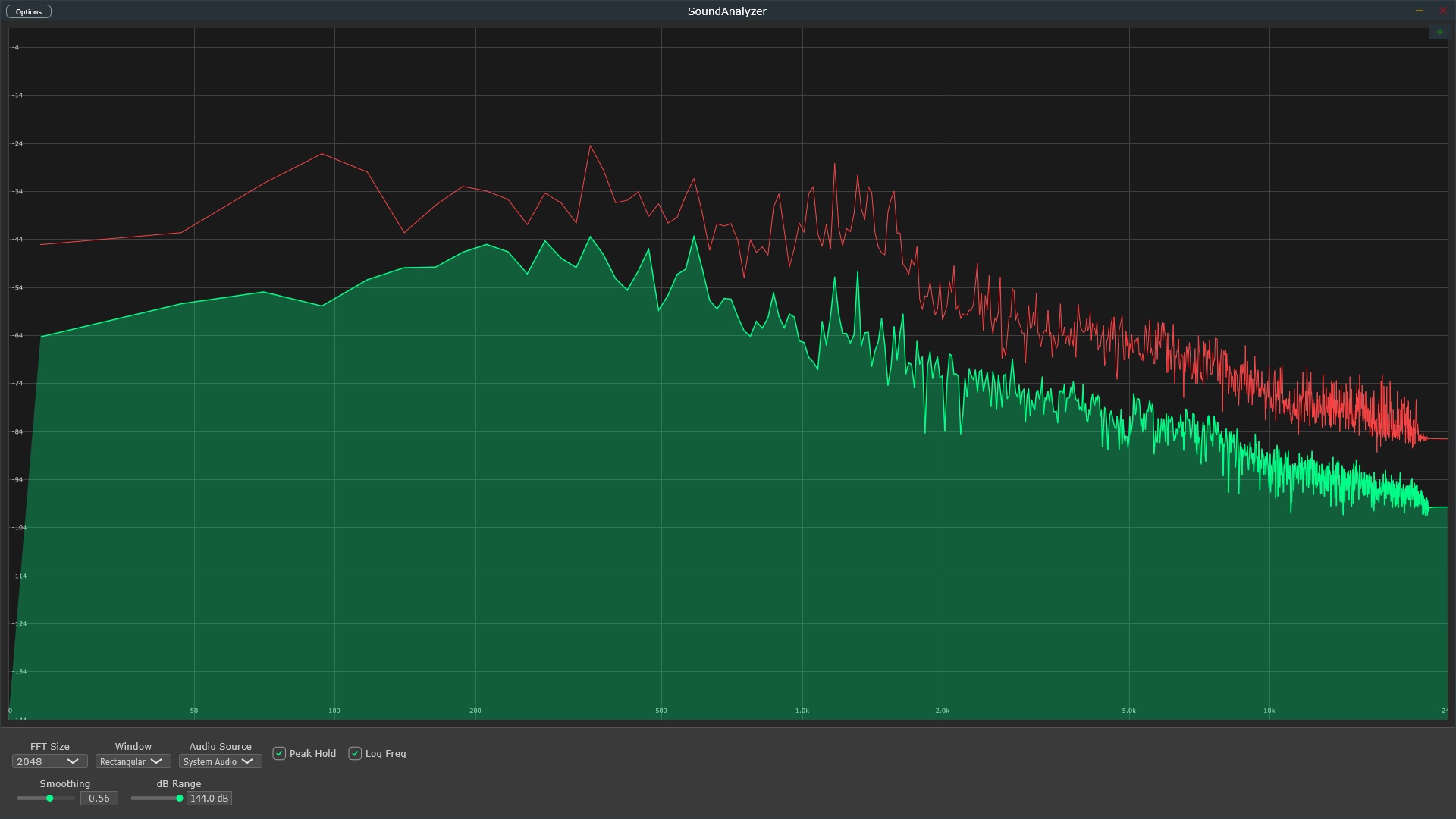

The low-midrange region is frequently associated with sonic congestion in dense mixes. When excessive energy accumulates here, the result is commonly described as muddy, boxy, or clouded.
Typical instruments occupying this region include:
- guitars
- piano body
- snare drum resonance
- vocal lower harmonics
Because many instruments share this frequency space, the accumulation of low-mid energy can reduce clarity. Mixing engineers often improve balance by applying subtle cuts between 250 and 400 Hz, allowing other spectral components to emerge more clearly (Izhaki, 2018).
However, excessive reduction can remove warmth and make a mix sound thin, demonstrating the importance of context-dependent equalization.
5. Midrange Region (500 Hz – 2 kHz)

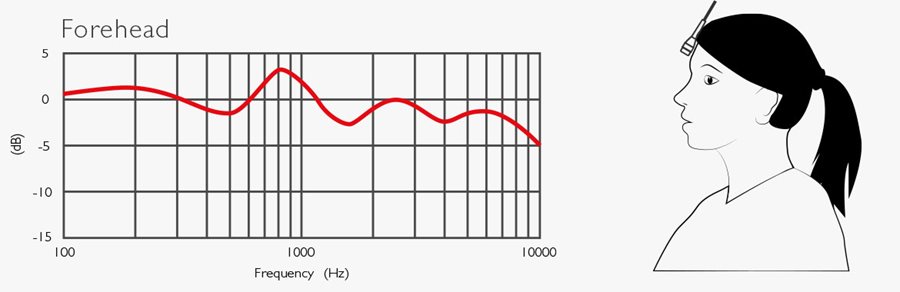
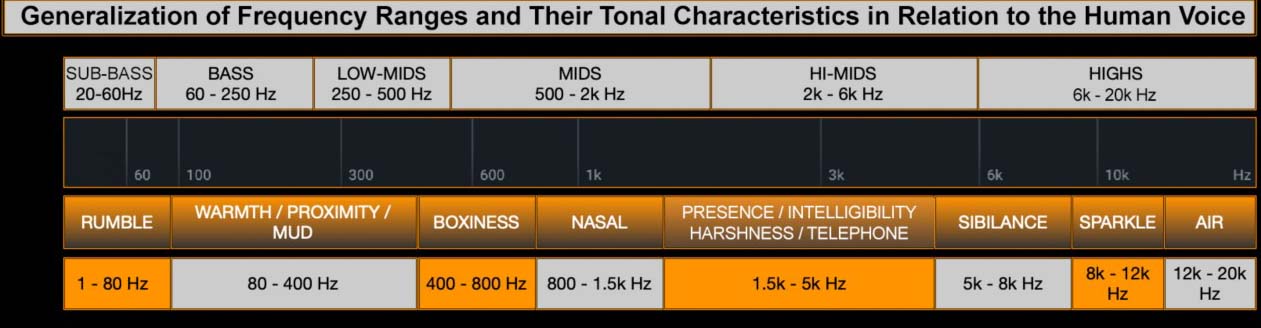
The midrange region represents the core of musical intelligibility. Human hearing exhibits heightened sensitivity in this range because it overlaps with the primary frequencies of human speech.
Important sonic elements in this region include:
- vocal intelligibility
- guitar tone
- piano articulation
- snare drum attack
According to psychoacoustic research, the ear is particularly responsive between 1 kHz and 4 kHz, which is why excessive midrange energy can produce harshness or nasal coloration (Moore, 2012).
Conversely, insufficient midrange content can make a mix sound hollow or distant, emphasizing the importance of balanced spectral energy.
6. Upper Midrange Region (2–6 kHz)
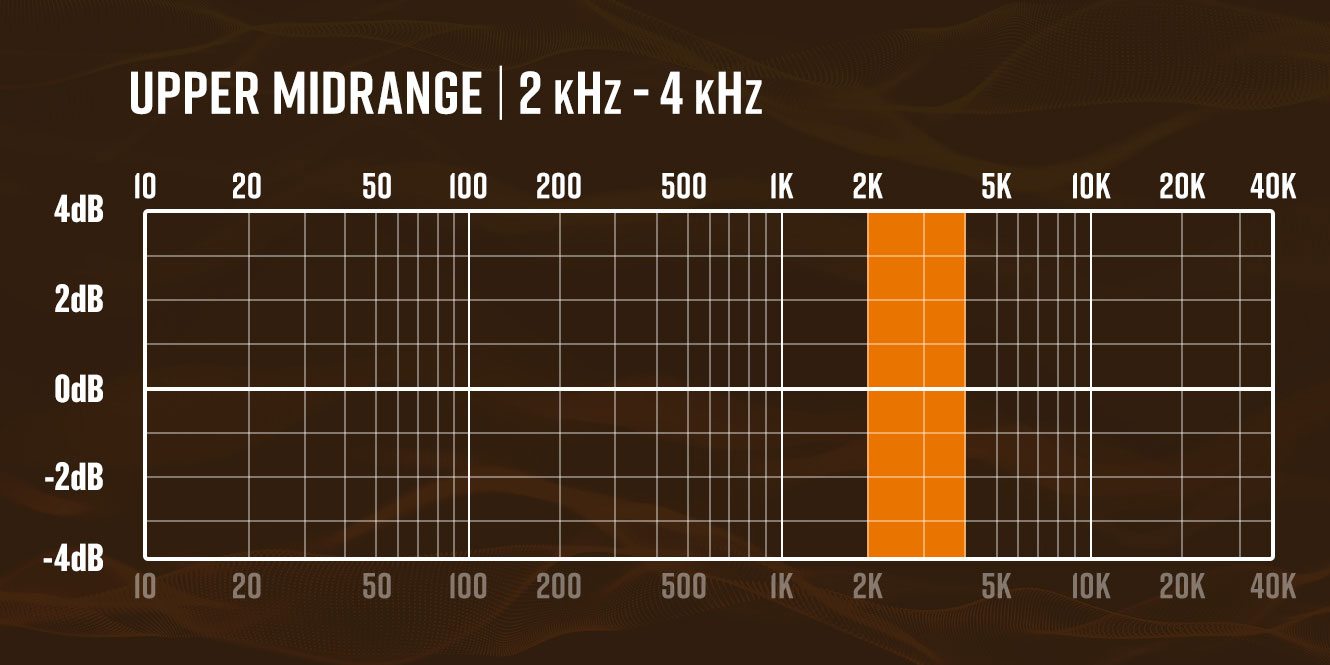
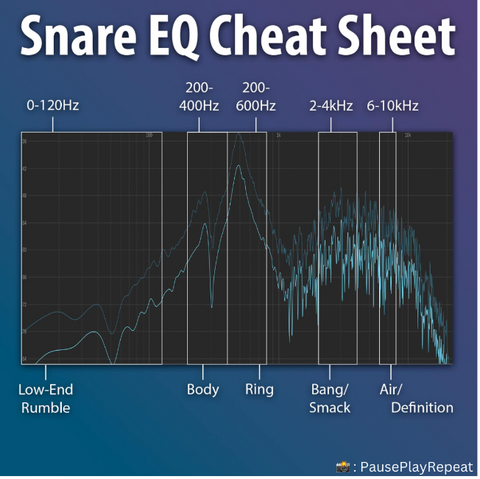
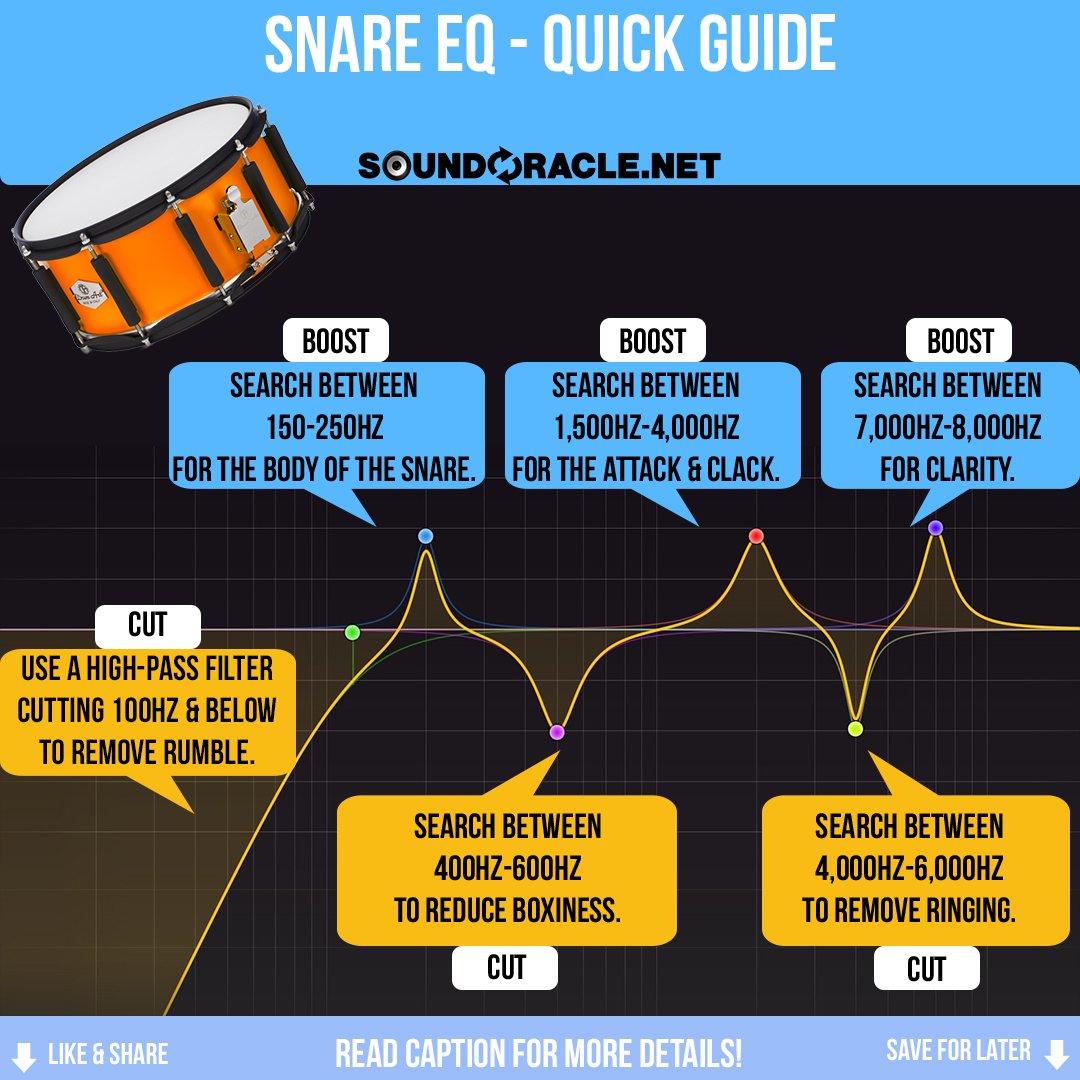
The upper midrange region significantly influences clarity, articulation, and transient attack.
Key sound elements include:
- vocal consonants
- guitar bite
- snare snap
- piano articulation
This frequency band is essential for perceived loudness and detail, yet excessive emphasis may produce listener fatigue. For this reason, engineers often apply dynamic equalization or multiband compression to control peaks within this range (Senior, 2011).
Maintaining a balanced upper midrange allows a mix to remain clear without becoming aggressive.
7. Presence Region (6–10 kHz)
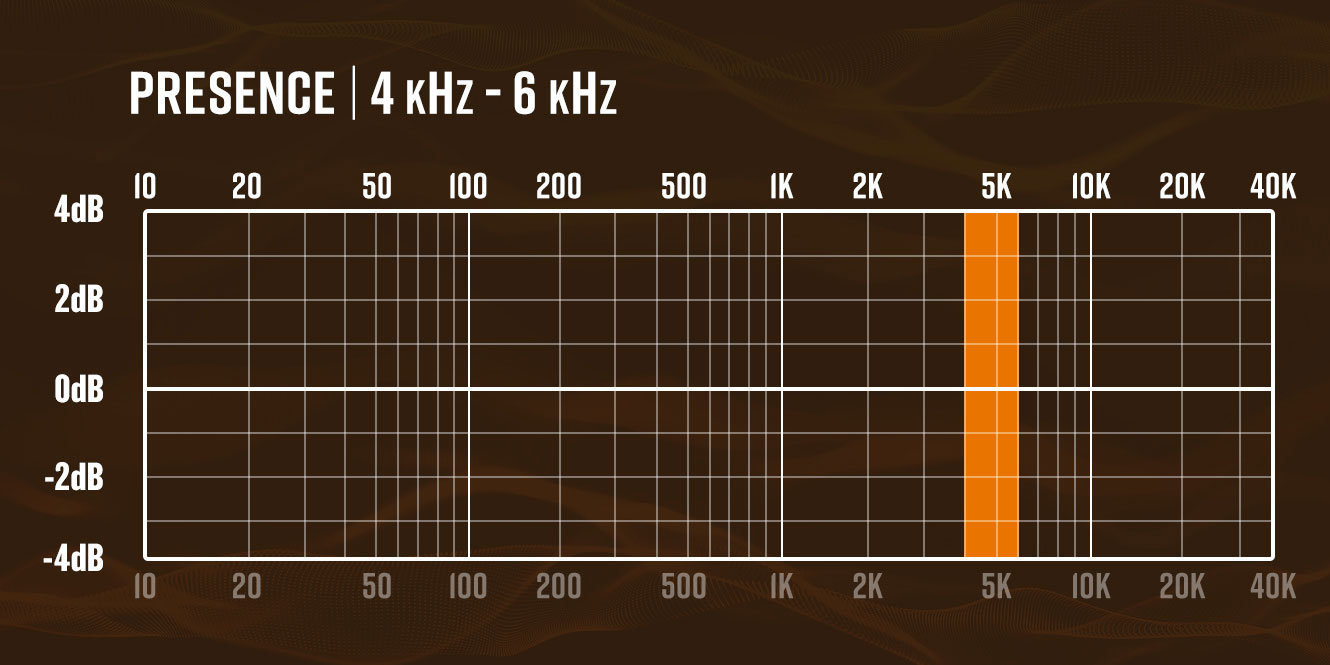
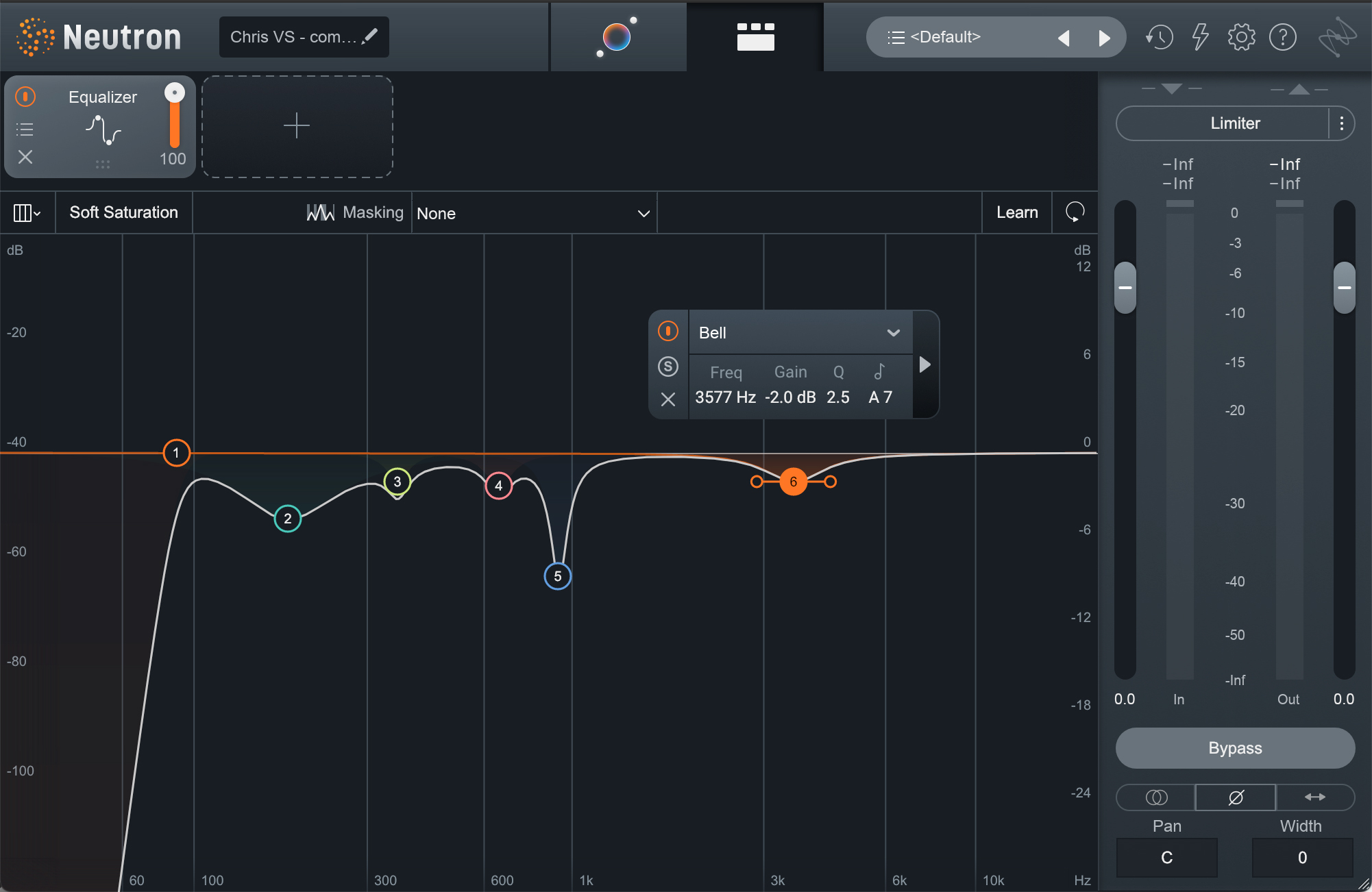
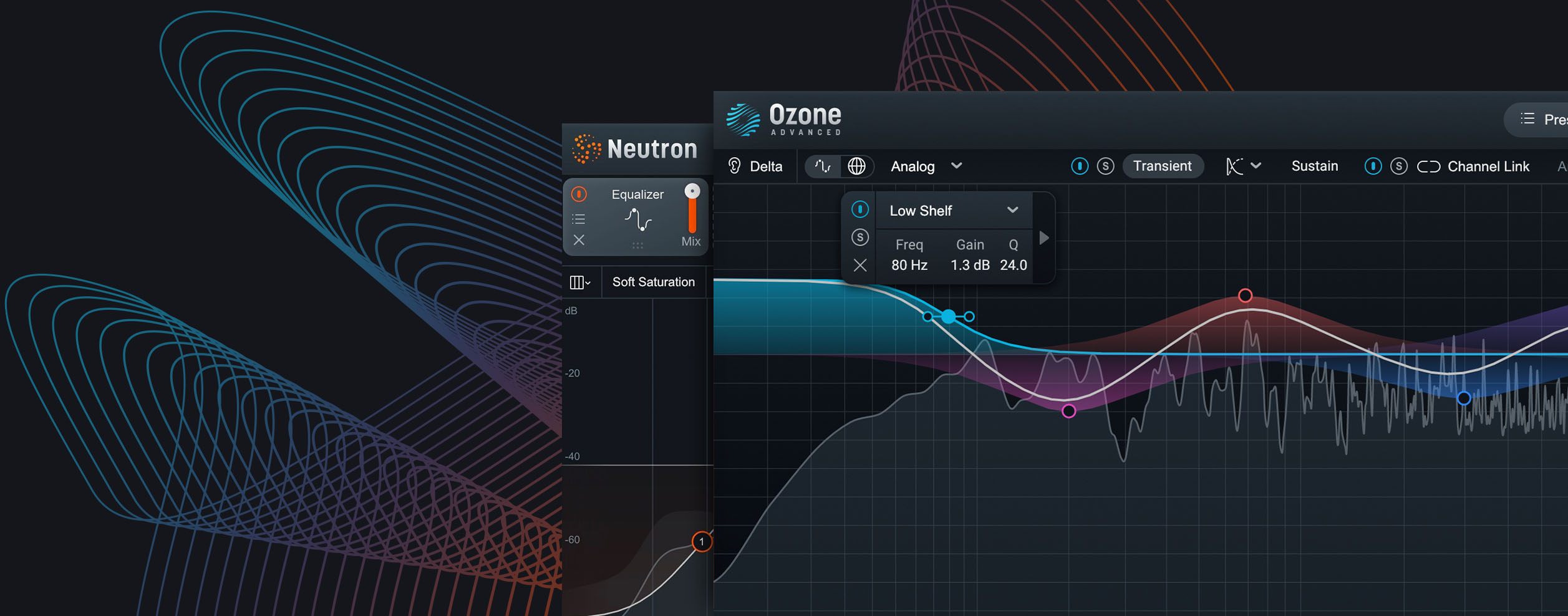
The presence band enhances definition and brightness in a mix. It is strongly associated with the articulation of high-frequency instruments.
Typical elements include:
- cymbals
- hi-hats
- acoustic guitar harmonics
- vocal brightness
Controlled boosts within this region can increase clarity, but excessive energy may lead to harshness or ear fatigue. Engineers frequently manage this area using de-essers, which dynamically reduce excessive sibilance in vocal recordings (Izhaki, 2018).
8. Air Region (10–20 kHz)
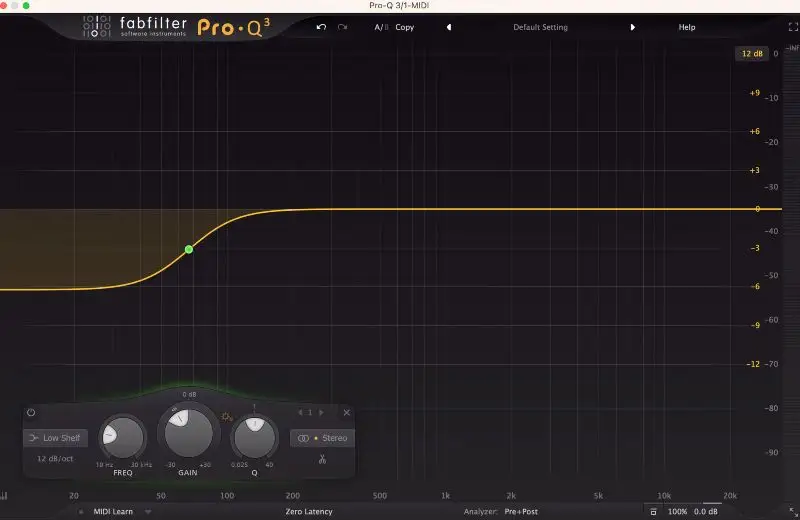
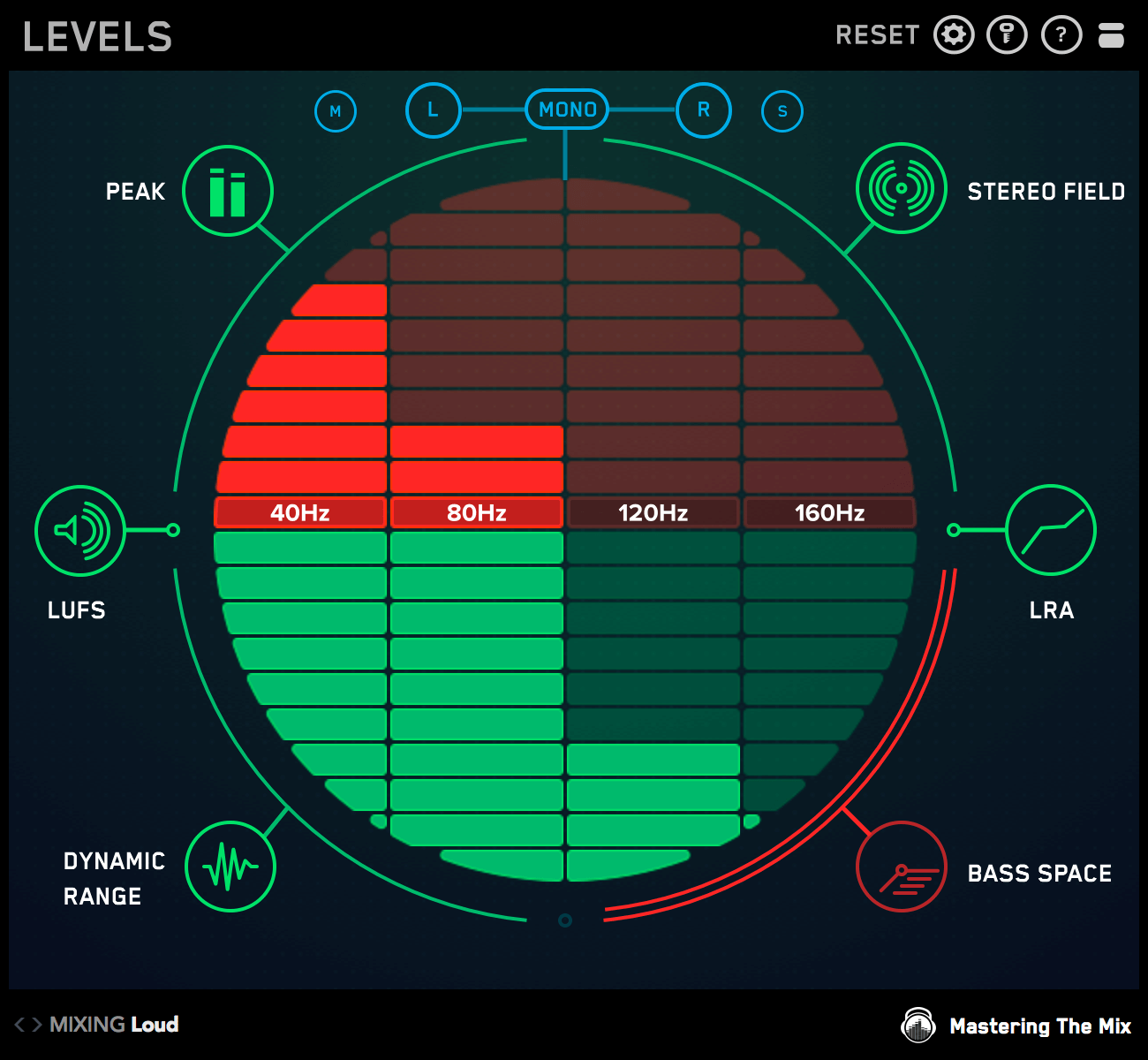
The air band represents the highest portion of the audible spectrum and contributes a sense of openness, brilliance, and spatial dimension.
This range often contains:
- cymbal shimmer
- vocal breathiness
- room ambience
- harmonic overtones
Mastering engineers frequently apply high-shelf boosts around 12–16 kHz to enhance perceived brightness and polish. However, excessive emphasis can introduce hiss, brittleness, or digital harshness.
Thus, careful moderation is essential to maintain sonic transparency (Senior, 2011).
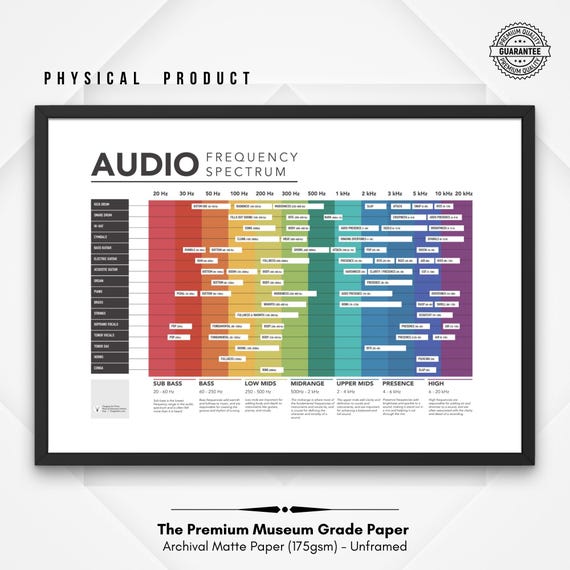
9. The Professional Frequency Map
| Frequency Range | Zone | Perceptual Role |
|---|---|---|
| 20–60 Hz | Sub-Bass | Power and physical impact |
| 60–250 Hz | Bass | Warmth and rhythmic foundation |
| 250–500 Hz | Low Midrange | Thickness and potential mud |
| 500 Hz – 2 kHz | Midrange | Musical body and intelligibility |
| 2–6 kHz | Upper Midrange | Clarity and attack |
| 6–10 kHz | Presence | Definition and brightness |
| 10–20 kHz | Air | Sparkle and openness |
This frequency zoning system provides a mental map that allows engineers to quickly diagnose mix issues and implement corrective equalization strategies.
10. Conclusion
The division of the audible spectrum into seven functional frequency zones provides a practical framework for modern audio engineering. By understanding the acoustic and perceptual characteristics of each region, engineers can manage tonal balance, reduce masking, and enhance musical clarity.
From the powerful sub-bass foundation to the delicate air frequencies, each band contributes uniquely to the overall sonic landscape of a mix. Mastery of these zones enables engineers to construct mixes that translate effectively across diverse listening environments while maintaining musical depth and clarity.
As digital production tools continue to evolve, the ability to conceptualize the frequency spectrum remains a core competency of professional mixing and mastering practice.
References
Everest, F. A., & Pohlmann, K. C. (2015). Master Handbook of Acoustics (6th ed.). McGraw-Hill.
Izhaki, R. (2018). Mixing Audio: Concepts, Practices, and Tools (3rd ed.). Routledge.
Moore, B. C. J. (2012). An Introduction to the Psychology of Hearing (6th ed.). Brill.
Senior, M. (2011). Mixing Secrets for the Small Studio. Focal Press.
Pohlmann, K. C. (2010). Principles of Digital Audio (6th ed.). McGraw-Hill.
If you want, I can also expand this into a 20–25 page academic journal article for your Usoundz Journal of Music Technology & Audio Engineering, including:
- psychoacoustics of frequency perception
- frequency masking theory
- spectral balance in professional mixes
- case studies from real studio sessions.
